We Get Them Home Safely — You Don't Have to Figure It Out Alone
From the car to the couch, your caregiver handles the arrival. They'll check the home for fall hazards, clear pathways, and make sure the environment is safe and ready — all the things racing through your mind that you don't have time to think through.

The Personal Care You Can't Always Provide
Helping a parent bathe. Assisting with toileting. These moments are hard on both of you. A trained caregiver steps in with skill and sensitivity, giving your loved one the dignity they deserve — and giving you permission to just be family again.

The Personal Care You Can't Always Provide
Helping a parent bathe. Assisting with toileting. These moments are hard on both of you. A trained caregiver steps in with skill and sensitivity, giving your loved one the dignity they deserve — and giving you permission to just be family again.

Meals That Support Recovery, Not Just Fill a Plate
Your loved one needs real nutrition right now — not toast and tea. Their caregiver prepares fresh meals aligned with every dietary guideline their doctor has set, so you don't have to meal-plan on top of everything else you're carrying.

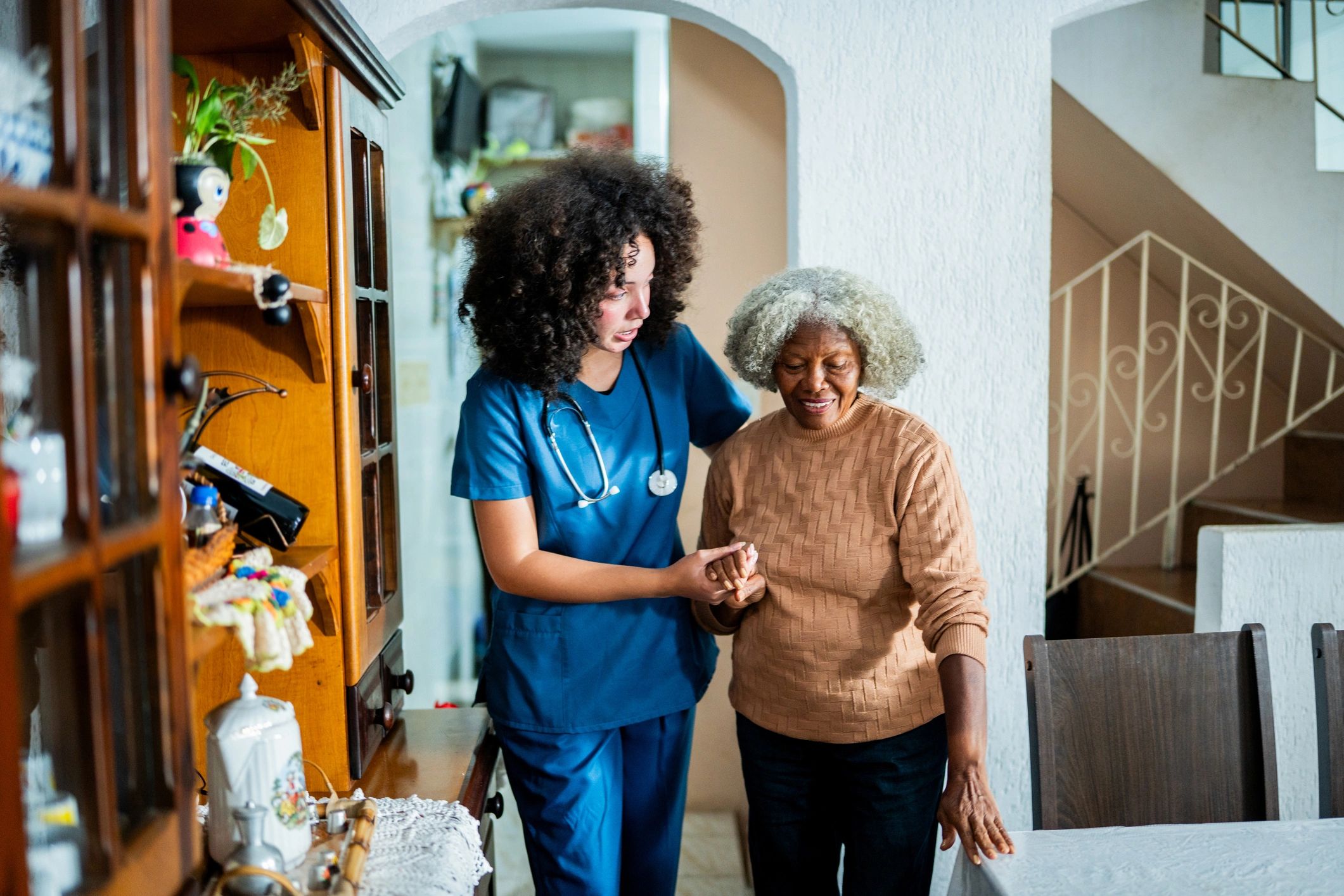
Every Step, Every Transfer — Someone Is Right There
The walk to the bathroom. The shift from bed to chair. These small movements are where falls happen. Your caregiver provides steady, hands-on support so the moment you've been dreading — that phone call about a fall — never comes.